
Generational Trauma & Other Things
Too many horror movies are trying to tell the same story.

My sister and I went to an early screening of Evil Dead Burn the other night, which feels right for a movie about generational family trauma. To be clear, we have very little generational family trauma, especially compared to the protagonists of the pretty fun and very, very gory horror sequel, but it still felt right to take a family member to a movie about how families are fucked-up entities made up of distressing lore and strongly-held grudges.
Also, there was a DJ, pins that read “I survived Evil Dead Burn” and … whatever this is:
On the whole, it was a pretty entertaining, gnarly movie. The dialogue was suspect, but the kills were rather harsh, as were the plot mechanics, which, in between ancestry trauma deep dives, were mostly let’s find new screwed-up ways to torture Souheila Yacoub. And yet, I found myself wanting a little more (or a little less, if that makes sense), even if it was a sequel to a new cinematic universe made up of sequels.
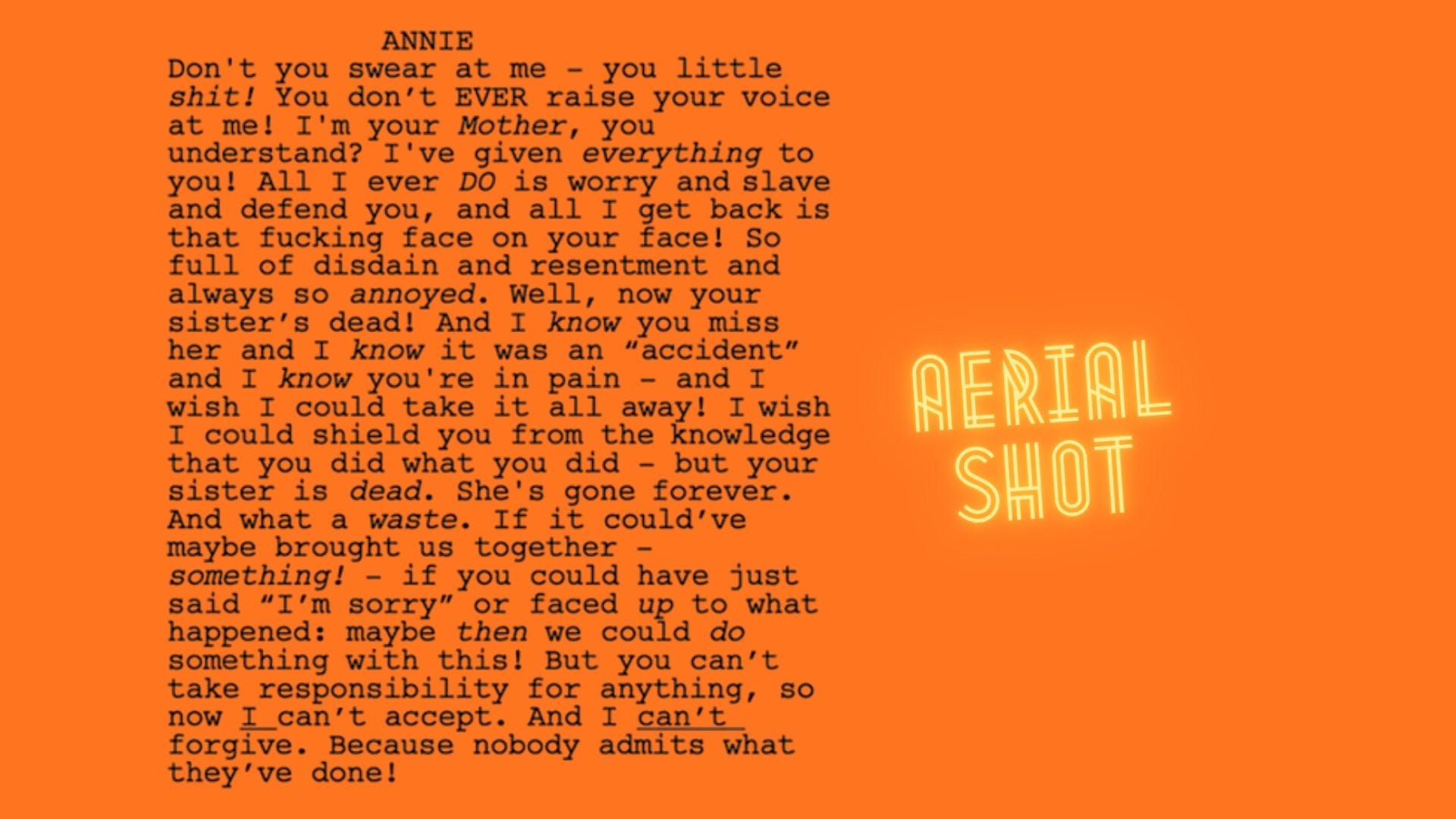
Evil Dead Burn is the latest in a long line of horror movies that centers on generational family trauma, which isn’t bad per se, but at this point it’s pretty passé. Ever since Hereditary’s cult-ish family-centered horror dramedy in 2018, thrillers have been leaning too heavily on hand-me-down family trauma as a cure-all of sorts. And it’s getting kind of tiring.
Just in the last five-or-so years, I could argue that all of these horror movies are centered on generational family trauma: Leviticus, Hokum, Ready or Not 2: Here I Come, Alpha, Bring Her Back, Final Destination Bloodlines, The Monkey, Wolf Man, Speak No Evil, Longlegs, Evil Dead Rise, The Invitation, Lamb and The Turning. I try my best to keep up on horror, but I’m sure I’m missing hundreds of independent releases and Shudder originals, as well. I have a full-time job after all.
This obviously didn’t start with Hereditary—Rosemary’s Baby and Carrie, for instance—and I like, or even love, many of the above movies, but there has been a steady incline in this as the genre’s engine since the Ari Aster movie’s sudden success. And it’s a bit exhausting.
I also think it’s partially why Obsession and Weapons were such transcendent horror hits. They didn’t fall back on these tired tropes and instead went for something slightly different, with their Monkey’s Paw-esque, slightly more supernatural scripts. At this point, it’s almost shocking to have a horror movie that isn’t just there’s an evil running through my family. And it seems like audiences will reward a film for trying something different.
One of my favorite movie pundits/critics/talkers? is Amanda Dobbins, who has identified a sort of therapy-speak that has seeped into movies. As someone also in therapy, I respect artists putting what they’ve learned and thought over into their art; however, sometimes this 1:1 metaphor for generational family trauma feels a bit too overwrought and analyzed to be fun or compelling. Sometimes, you just need a big shark wrecking a summer instead of a multi-layered treatise on how your ancestors’ pain has seeped into your bloodstream.
Especially for something like the Evil Dead franchise, which was initially “let’s get a bunch of kids to go to a cabin in the woods and torture them,” these heady traumatic backstories feel a bit lofty, weighing everything down. The kills and gore are there. Sometimes you just get a little too big for your britches.
Anyway, this basically sums it all up:
